




With its leading position in creating current trends, the fashion industry is integrating with new trends in virtual digital technology, heralding the era of Digital Fashion – a sustainable solution for the future.
29/06/2023 by Tbond Textile

Simply put, Digital Fashion is a style of aesthetic expression where products are created using computer software technology. It involves optimizing traditional physical fashion products into “online” digital files—virtual representations of real clothing made from pixel substitutes instead of woven fabric.
In 2018, Carlings—a creative clothing company from Scandinavia (Sweden)—released the first digital fashion collection called Neo X, becoming the first retailer to debut virtual fashion. The experiment was a dazzling success and inspired Carlings to develop the first AR t-shirt in 2019, followed by further innovations like filter-enabled shirts on Instagram and Facebook, allowing users to customize between designs. These products sold out within hours and gained immense popularity among bloggers and influencers.
In 2019, The Fabricant—an innovative company based in the Netherlands specializing in mobile fashion—launched “Iridescence,” a stunning virtual dress. It offered users a unique “hyper-real” experience, priced at $9,500.
Following the success of Digital Fashion, specialized virtual fashion studios began emerging in developed countries. Notable names include Hilal Sevencan (Turkey), Unhueman, Tribute, and Dress-X (USA).
With the integration of technology and fashion into the virtual universe (metaverse), there is a growing demand for virtual influencers. They are not just 3D figures, but embody an inspirational “life” and wield significant influence within online communities.
Most CGI (Computer-Generated Imagery) is created from three-dimensional facial features of virtual characters combined with real human bodies. These virtual characters can be 3D fashion models, created to showcase digital fashion designs, participate in campaigns for renowned fashion houses, or headline online fashion events.
The first virtual fashion influencer was Lil Miquela, created by the media company Brud based in Los Angeles (USA) in 2016. Lil Miquela has appeared in fashion magazines and featured in luxury brand campaigns such as Prada, Dior, and Calvin Klein. She also released a single titled “Not Mine” in 2017 and debuted her first music video – “Hard Feelings.” Following Lil Miquela’s success, a series of virtual characters have emerged worldwide, including Rozy, Guggimon, Knox Frost, Noonoouri, Imma, Shudu Gram… In Vietnam, there is E.M Ơi, a product of Ogilvy T&A and Colory studio launched in 2020. It’s estimated that there are over 200 virtual influencers to date, rapidly going viral worldwide.
With the goal of always enhancing user experiences through optimal methods, Tbond will personalize each customer’s preferences and desires when using Digital Fashion. You can customize color schemes and patterns according to your own preferences, thereby creating unique and distinctive outfits for your own brand, imbued with personality and individuality.
>>>Let’s take a look at Tbond’s product lines and services: ‘Products’
Simply put, sustainable fashion is fashion that uses environmentally safe and friendly materials for production and garment design. It aims to balance environmental protection, human well-being, and certain values for the community. This sustainable fashion line is created with the purpose of extending the product’s lifecycle and minimizing negative impacts of fashion on the ecosystem.
“Fashion is not just about clothing. Fashion is also present in the sky, on the streets. Fashion is intertwined with how we live and what is happening around us.”
– Coco Chanel
And the most outstanding advantage of digital fashion is its environmental friendliness, significantly reducing the amount of polluting emissions.
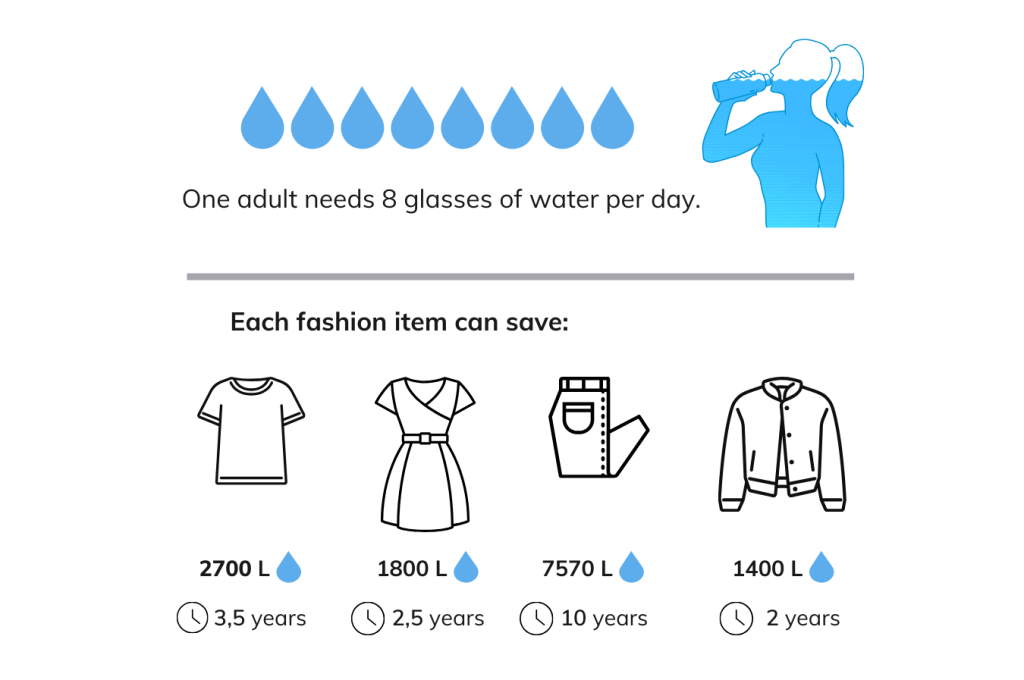
A prime example of this is in the production of a cotton shirt and a pair of jeans, where a manufacturer would typically need around 2,650 liters and 7,570 liters of water, respectively. This is equivalent to the amount of water needed to sustain an adult for 3.5 to 10 years.
As the global COVID-19 pandemic erupted, businesses ranging from stores in China to Nike offices in London, and even Condé Nast headquarters in New York, all simultaneously shut down. Fashion design schools were no exception. Some places are currently undergoing sanitization with plans to reopen in the near future. As a €2.3 trillion industry, the fashion industry is compelled to seek alternative solutions. One of those solutions is “digital fashion” – the digitization of fashion. With no more fashion shows and exclusive events for industry insiders, fashion businesses are tapping into the abundant potential of technology: from virtual fitting rooms to virtual runways…

Gucci, a luxury fashion brand, has pioneered the integration of technology into its applications. Gucci has revamped its app with “augmented reality” technology, allowing users to experience clothing or interior decor right at home, while also creating a virtual community for Gucci customers.
In early 2022, H&M launched a virtual fashion collection in collaboration with Maisie Williams – the company’s Global Sustainability Ambassador.
The partnership between Williams and the fashion giant H&M aims to promote recycling and reuse in fashion. They also collaborated with Animal Crossing, Nintendo’s simulation game, to create the Looop Island. The H&M Looop Island appears in the game, where players can recycle their outfits to receive new clothing items.
Digital fashion is a widely recognized term worldwide, though this sector remains relatively unfamiliar in the Vietnamese market. Lê Thanh Hòa is one of the pioneering Vietnamese designers who has embraced and applied digital fashion trends in design.

“An” is the name of the Fall/Winter collection that the fashion brand LE THANH HOA launched in October 2022. The initial images revealed a theme of inner peace amidst a vibrant red Asian-inspired space, with intricate details that have defined the designer’s reputation. Utilizing both familiar and complex materials from the East such as silk, velvet, brocade, and satin, Lê Thanh Hòa found abundant creative energy through experiments he had never tried before – integrating technology to unveil a parallel collection on digital platforms.
“What excites and energizes me the most is experimenting with new things when diving into Digital Fashion. For a creative professional, every new experience holds its own allure, providing me with the energy to nurture passion and motivation in my career.”
– NTK Lê Thanh Hòa

Will this collaboration between BOO and VerseHub become a significant leap, affirming Vietnam’s progressive development in the fashion-tech landscape?
Let’s stay tuned with Tbond in the upcoming blogs to find out.
Sorry, we couldn't find any posts. Please try a different search.